Cracking and structural soundness in older Craigieburn rentals
Structural soundness is one of the 15 Victorian rental standards. How cracking in an older Craigieburn house is judged, and when it needs an engineer.
Fully licensed & accredited
-
 Building & Plumbing Commission
-
 Australian Society of Building Consultants
-
 Strata Community Association
-
 Building Dispute Practitioners Society
In short: Some cracking is normal on Craigieburn's reactive basalt clay. The standard is concerned with a home that is not structurally sound or weatherproof, so the questions are how wide, whether it is moving and whether water is getting in.
What the standard says
A rental must be structurally sound and weatherproof. It does not ask for a house without a single crack, which would rule out much of Craigieburn's older stock. It asks whether the building still keeps the weather out and is not at risk from movement.
Why older Craigieburn homes move
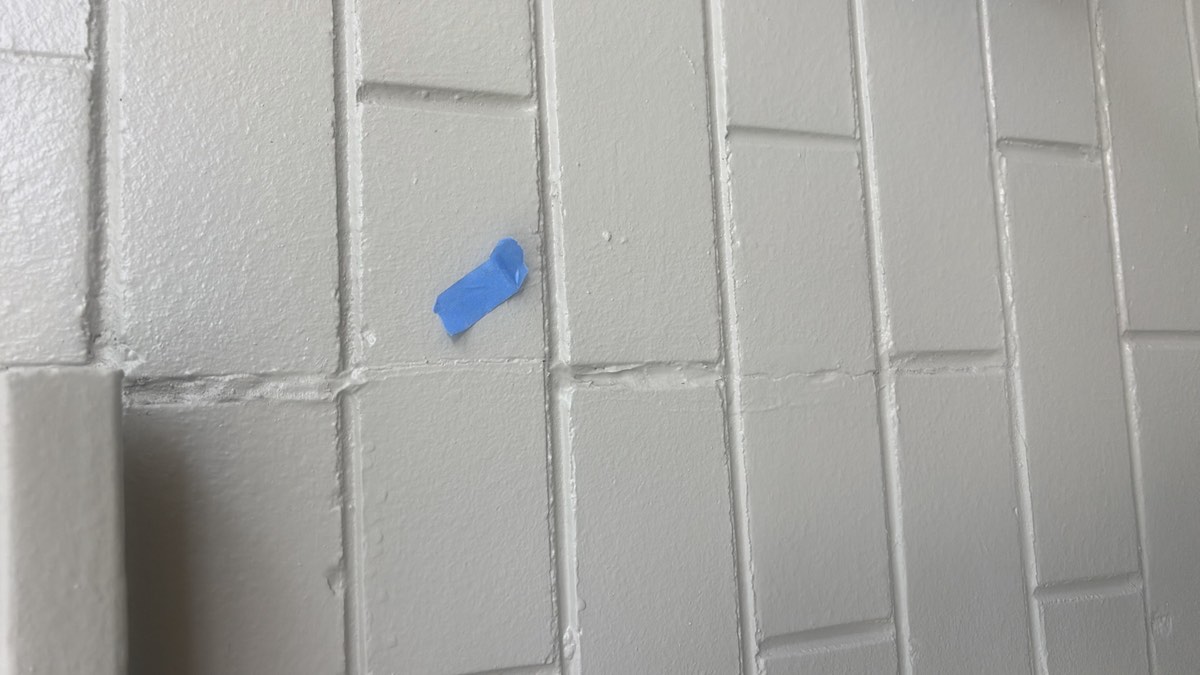
Houses from the 1990s and early 2000s sit on reactive basalt clay that swells in wet winters and shrinks in dry summers. Over twenty or thirty years, poor drainage and garden beds against the walls can turn that seasonal movement into cracks in the brickwork and plaster.
How we judge a crack
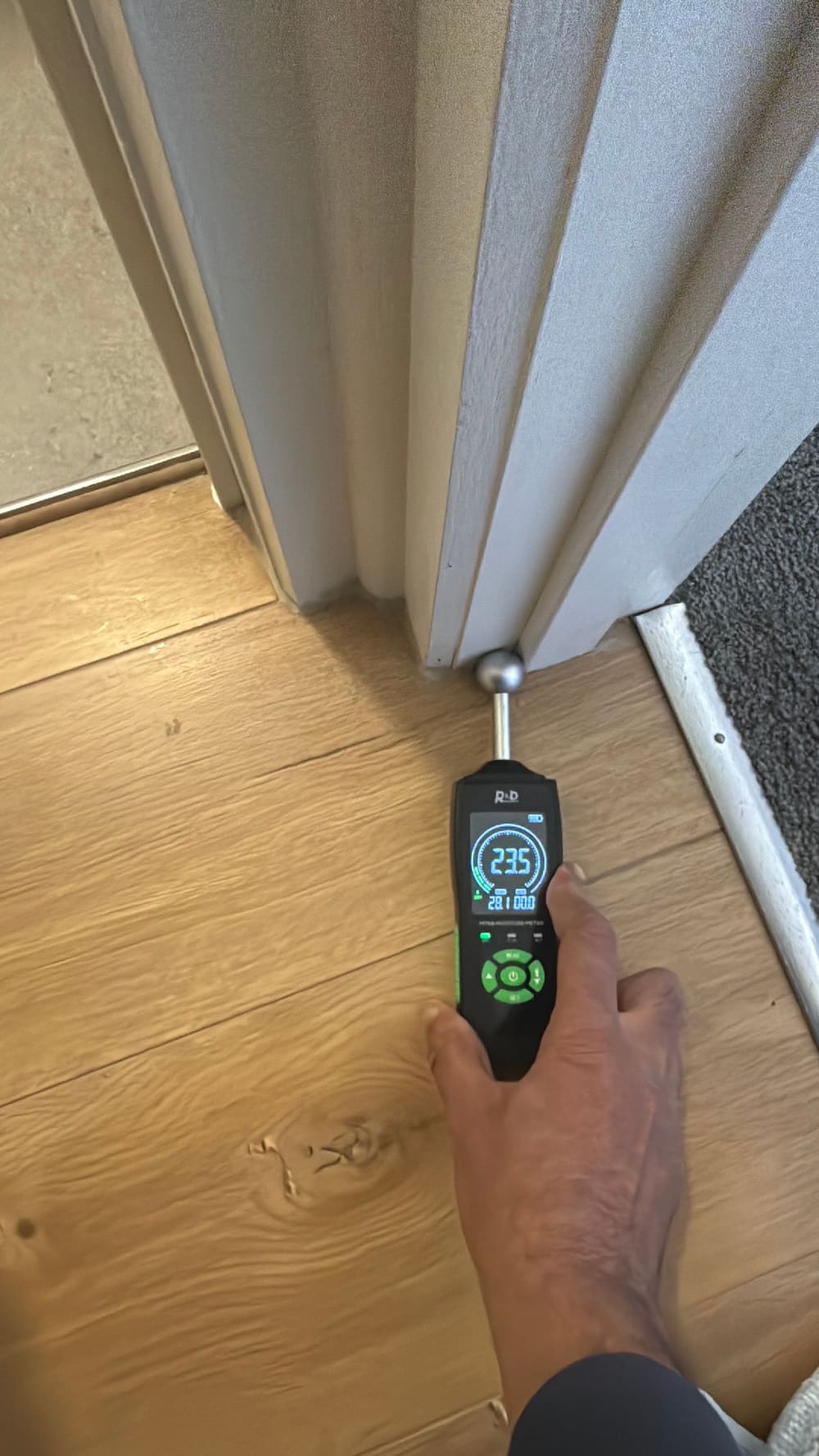
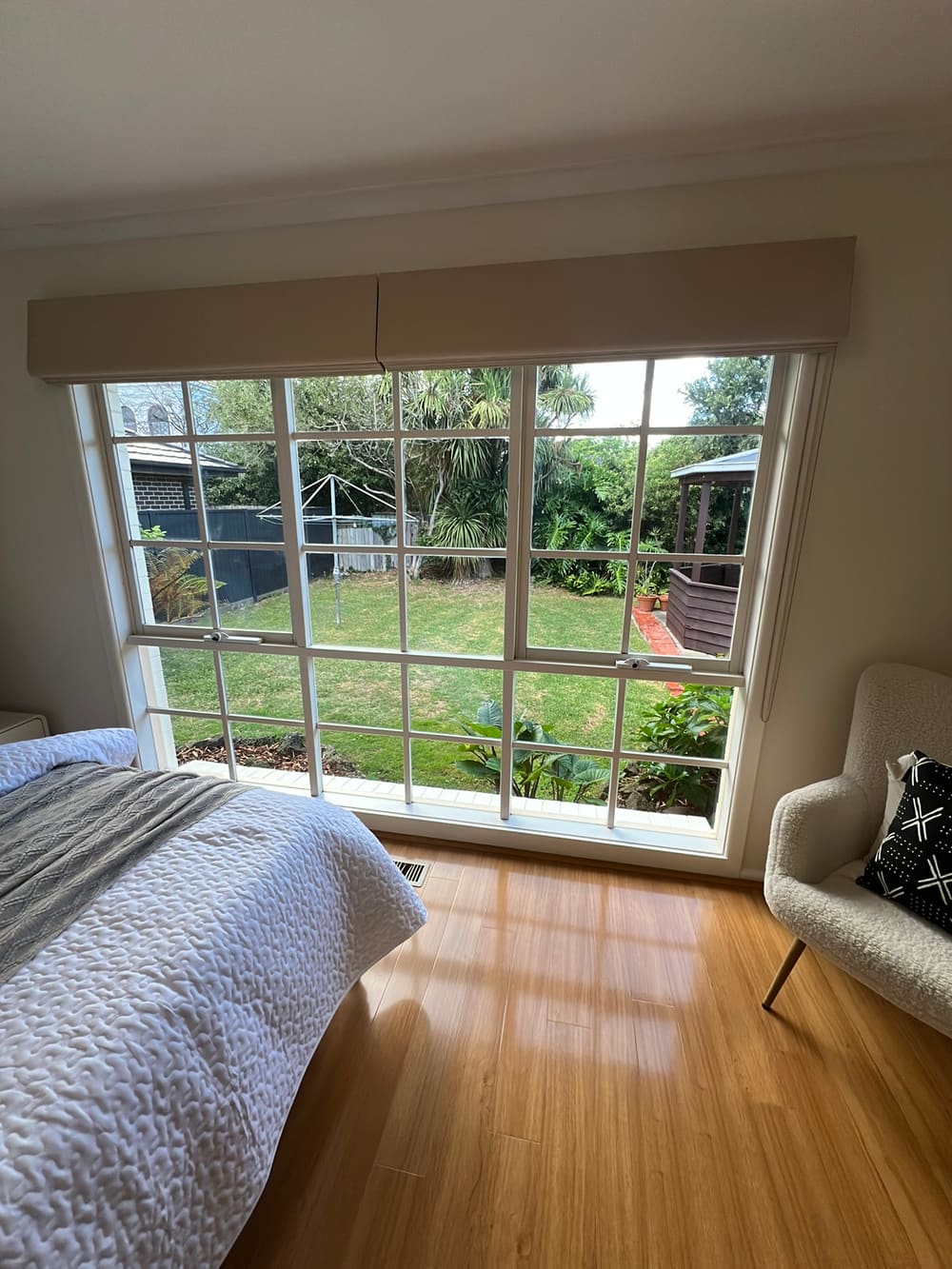
We measure crack widths, note whether they run through the brick or along the mortar, check doors and windows for binding, and look for floors that have dropped or lifted. A crack wide enough to let water into the wall is recorded as not met.
When an engineer is needed
Wider or stepped cracking, or cracks that reopen after patching, can mean movement is still going on. The report says when a structural engineer should assess it before repairs, because patching a moving crack only hides it until the next dry spell.
Weatherproofing goes with it
Roof leaks count here too. A ceiling stain from a slipped tile or a failed flashing is a weatherproofing failure even when the frame is sound.
Written by our local inspection team from work carried out in Craigieburn. Licensed building practitioners.